


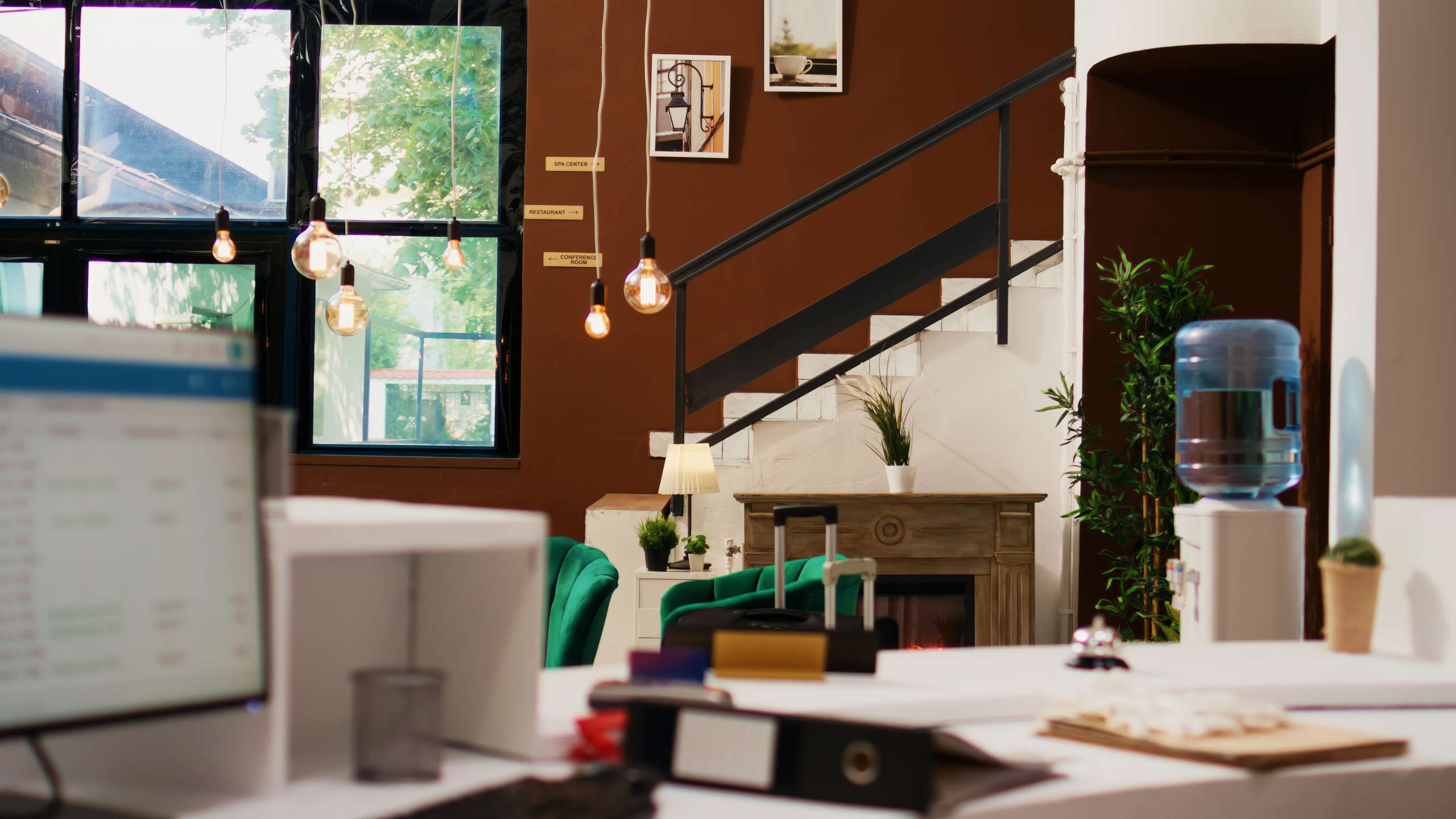
A blank floor plan can feel strangely heavy when you are new to environmental design. There is so much to decide at once: mood, movement, proportions, furniture placement, materials, and lighting. The easiest way to get lost is to treat a room like one big problem. A better approach is to practice one design layer at a time while still keeping the whole space in view. That keeps your eye sharp and your decisions clearer. Instead of trying to create a beautiful interior from nothing, begin by studying how a room works. Ask where the eye enters, where the body moves, and where the atmosphere should settle.
One useful exercise is to take a simple room, such as a small bedroom or reading corner, and redraw it three times with different priorities. In the first version, focus only on circulation. Make sure movement through the space feels natural and unobstructed. In the second, think only about balance and visual weight. Notice whether one side feels too crowded or whether the room pulls attention toward the wrong area. In the third, work on atmosphere by choosing materials, textures, and light conditions that support a specific feeling. This method teaches control. You are no longer guessing your way through a design. You are training your eye to notice how separate decisions shape the final result.
A common mistake is decorating too early. Many beginners rush toward finishes, colors, and styling details before the layout is resolved. The drawing may look exciting at first, but the space underneath feels awkward, cramped, or directionless. When that happens, strip the room back to its basic structure. Remove the styling elements and look again at scale, spacing, and focal point. Check whether large pieces compete with each other or whether empty areas feel accidental rather than intentional. Correction often comes from simplification, not addition. A stronger room usually begins with fewer moves, placed more carefully.
If you are unsure how to practice consistently, keep the session short and specific. Spend fifteen minutes on one room study. Use the first few minutes to observe a reference image and identify the main spatial idea, such as openness, symmetry, layering, or contrast. Then sketch the room from memory, not to copy it perfectly, but to test what you actually noticed. Use the remaining time to revise one weak area, perhaps the furniture arrangement or the distribution of light. This creates a rhythm of seeing, drawing, and correcting. That rhythm matters more than chasing polished results every time.
Getting stuck often means the problem is still too broad. Narrow it down. If the room feels flat, work only on depth by adding foreground, middle ground, and background. If it feels lifeless, adjust contrast in texture and tone. If it feels confusing, reduce the number of competing elements and strengthen one focal area. Feedback also becomes more useful when your question is precise. Instead of asking whether the design is good, ask whether the circulation reads clearly or whether the material palette supports the mood. Clear questions lead to clear improvements.
Environmental design grows through repeated observation and small corrections. The goal is not to produce a perfect room every day. The goal is to build sensitivity: to scale, to atmosphere, to flow, and to the quiet logic that makes a space feel resolved. When practice stops drifting, even simple room studies begin to carry intention, and that is where strong design starts.