

Structured Creative Path
Follow a clear sequence that moves from foundations to finished concepts, making each step easier to apply, refine, and turn into decisions.
Practical Design Thinking
Strengthen creative judgment through real design tasks that sharpen composition, atmosphere, and the ability to shape spaces with intention.
Guided Creative Process
Move forward with focused direction that keeps momentum steady, removes guesswork, and helps every sketch, board, and layout feel more resolved.
Portfolio-Worthy Outcomes
Create polished work that shows process as well as taste, from first references and moodboards to final presentations with depth and clarity.
Confidence Through Practice
Replace hesitation with a repeatable creative routine that makes it easier to explore ideas, test solutions, and present design choices with conviction.
Growth That Stays
Develop habits, taste, and visual discipline that continue beyond a single project and support long-term progress in environmental and spatial design.
Design Skills That Last
A steady path to stronger spatial thinking

A 15-Minute Practice Routine for Better Room Composition
Developing room composition skills does not happen overnight. You do not magically become good at…
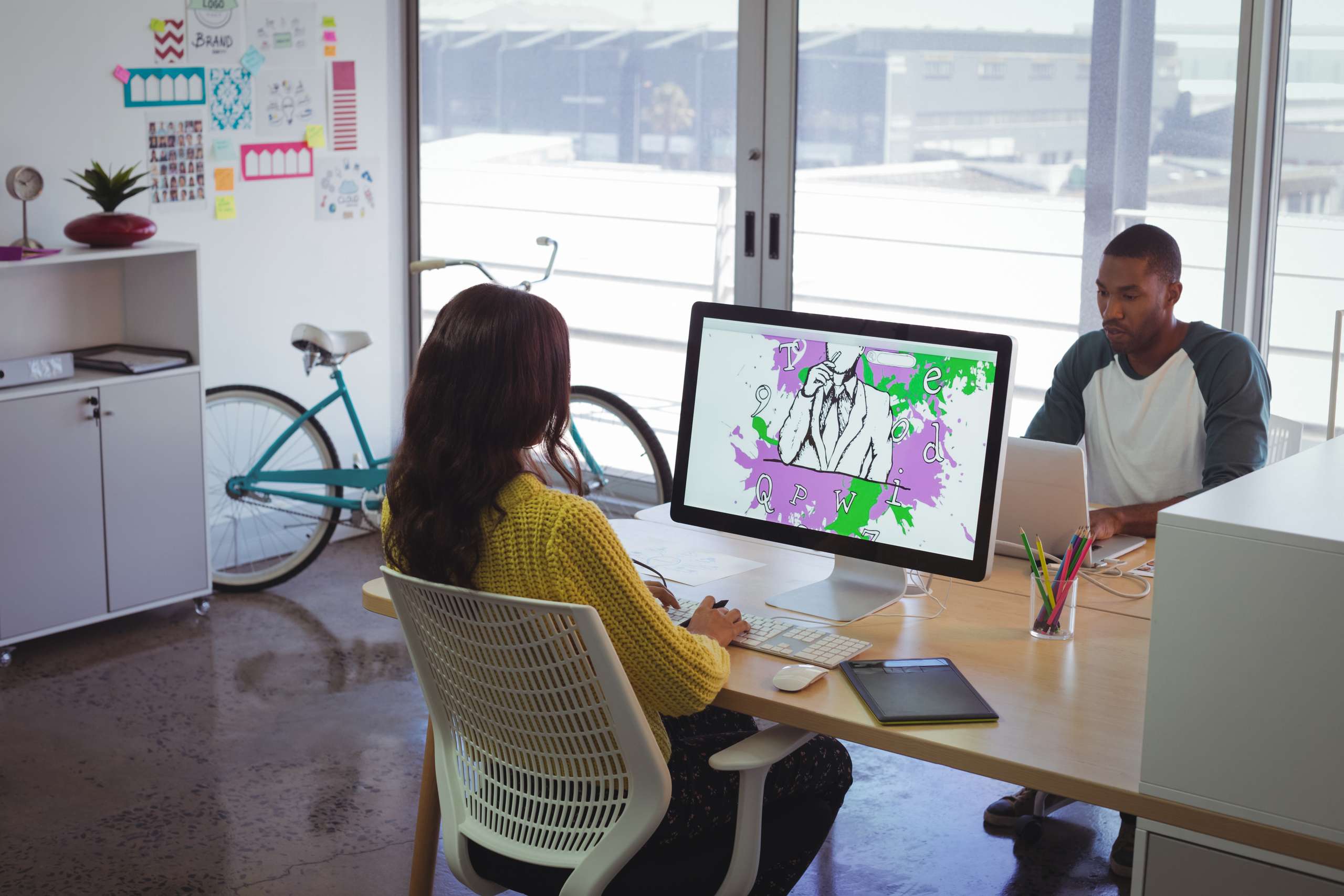
How to Ask for Useful Feedback on a Room Design
It can be challenging to share work, especially when you don’t feel like it is…
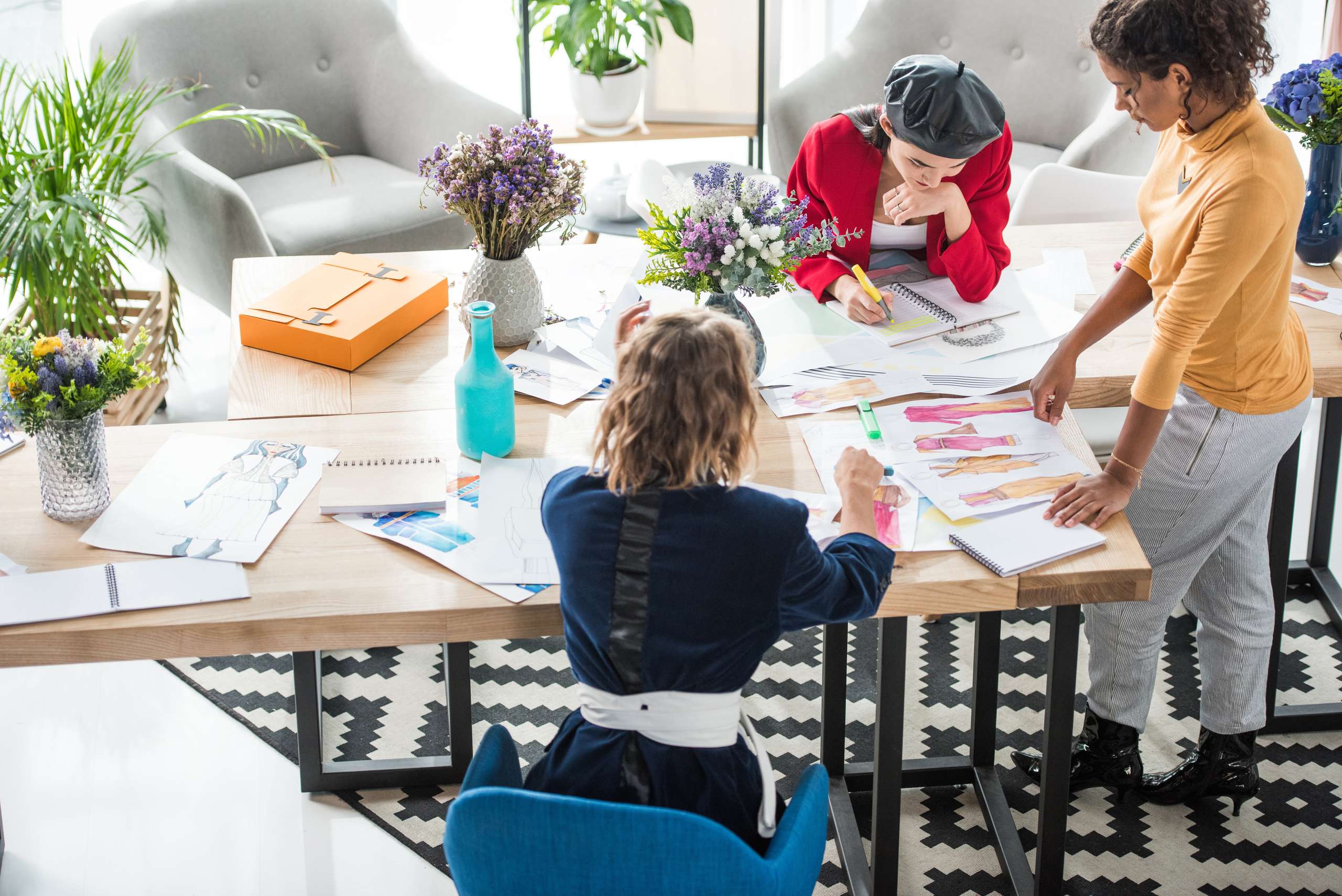
How to Break the Early Plateau in Environmental Design
The early phase of environmental design is exciting, but progress usually stalls shortly after it.…
From Our Journal
Creative Insights
Read reflections on concept building, visual direction, and the small shifts that help design ideas feel more intentional, coherent, and emotionally resonant.
Studio Perspectives
Explore thoughtful articles on materials, atmosphere, references, and process, written to deepen creative awareness and expand the way spaces are imagined.
Master The Flow
Build taste, method, and creative discipline

Clear step-by-step lessons
Hands-on creative practice

Thoughtful visual feedback
Strong portfolio direction
Voices Of Growth
How the process builds clarity and confidence
The methodology brought calm to the entire process. Each stage connected naturally to the next, so sketches became stronger, concepts felt clearer, and presenting ideas stopped feeling uncertain.

Ayano Kawabata
What stood out most was the structure. Instead of collecting scattered inspiration, I learned how to shape a concept with purpose, refine it carefully, and trust each smart design
decision.

Yoshiki Katagiri
The guidance made complex creative choices feel manageable. I now approach references, moodboards, and spatial composition with far more clarity, and that confidence shows in every project.