


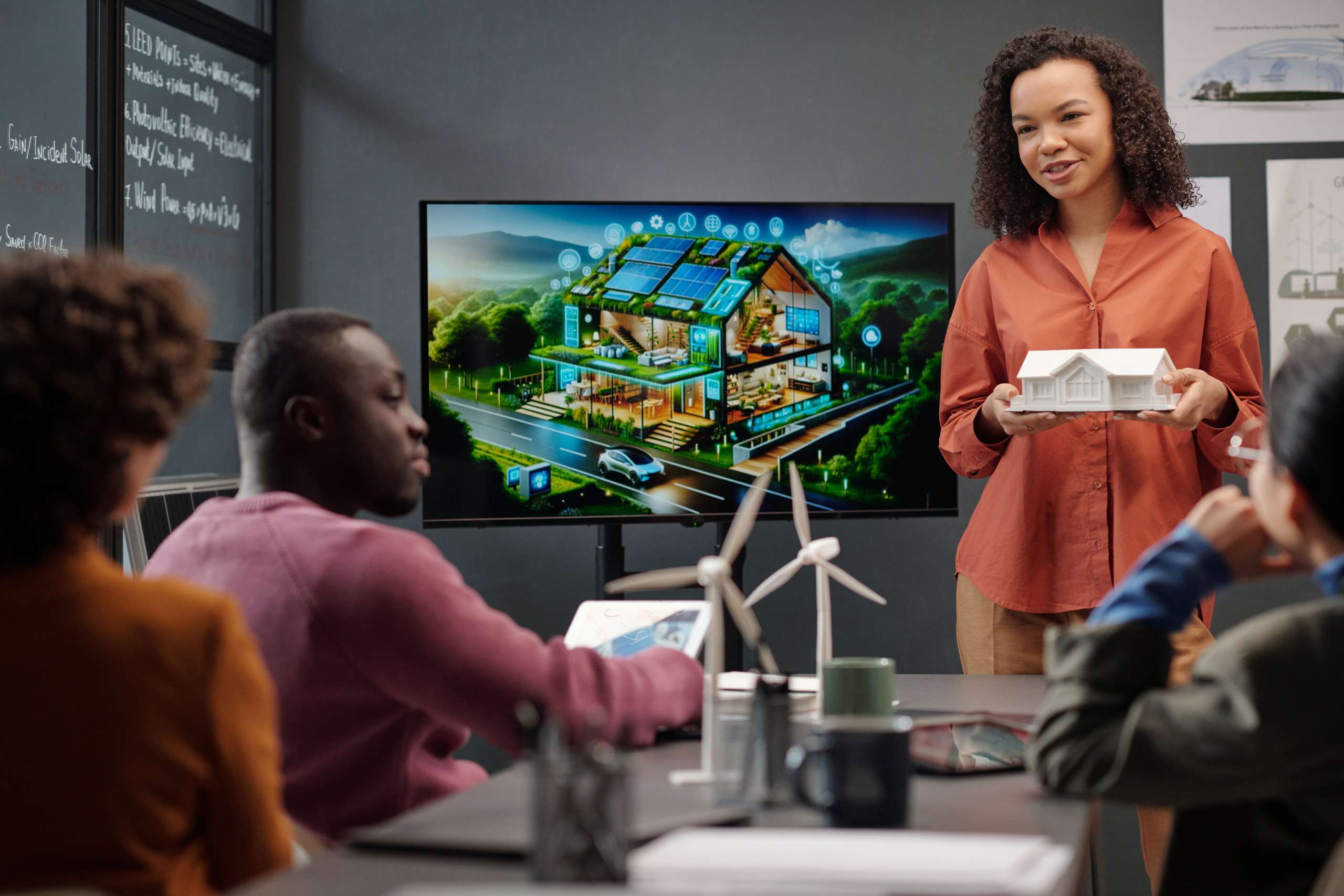
Built For Spatial Practice
This space is shaped around environmental design as a craft built through repetition, observation, and revision. Progress comes from working with layouts, atmosphere, materials, and composition until design choices begin to feel clear, intentional, and usable in real interior concepts.
Spatial composition
Material sensitivity
Atmosphere building
Iterative refinement
How Growth Takes Shape
The approach centers on learning how a space works before styling it. That means studying flow, scale, focal points, balance, and mood so every room begins with structure rather than decoration.
Careful practice matters here because strong interiors are rarely built in one attempt. Better results come through testing ideas, noticing weak areas, correcting them, and developing an eye for rooms that feel resolved instead of accidental.
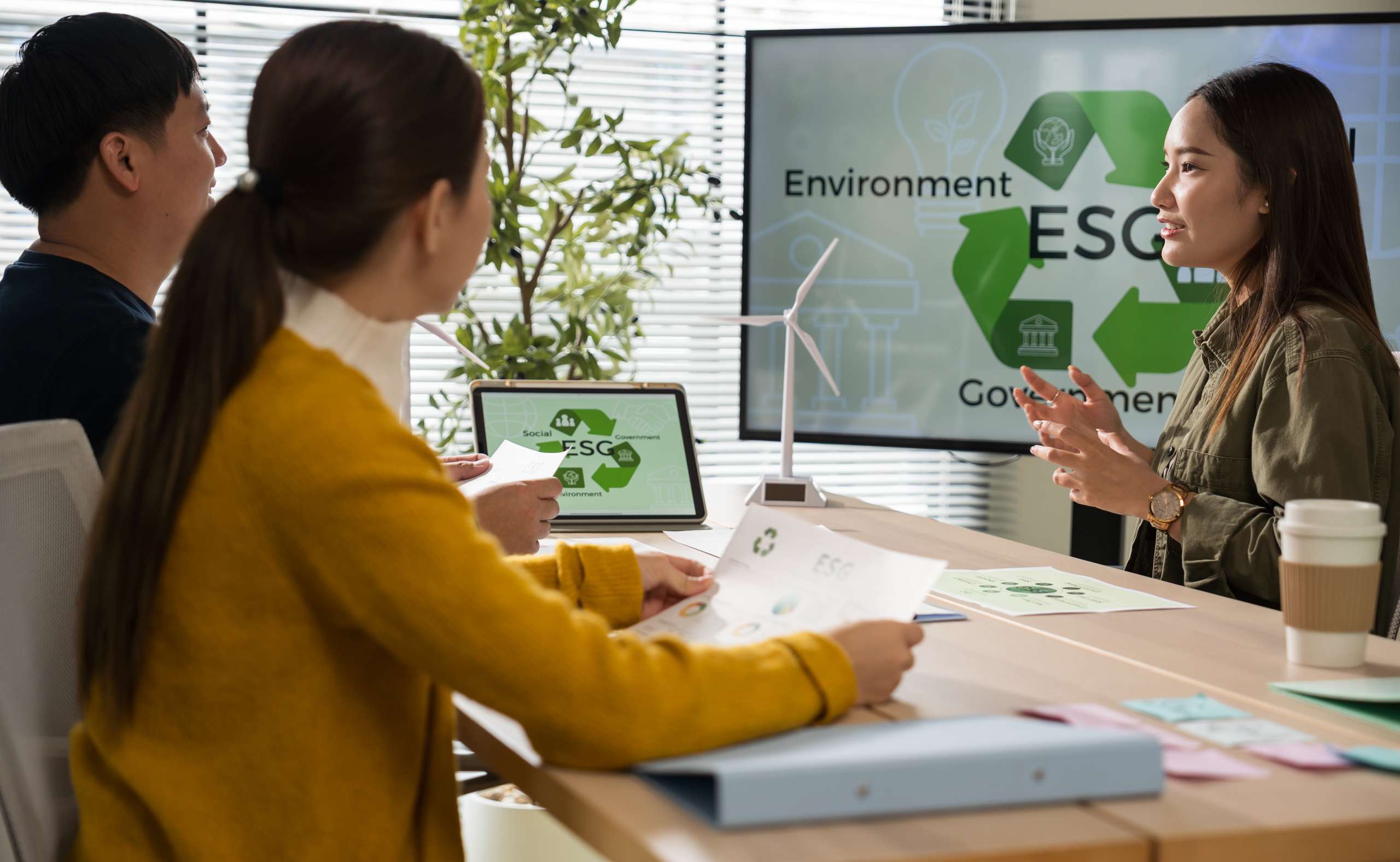
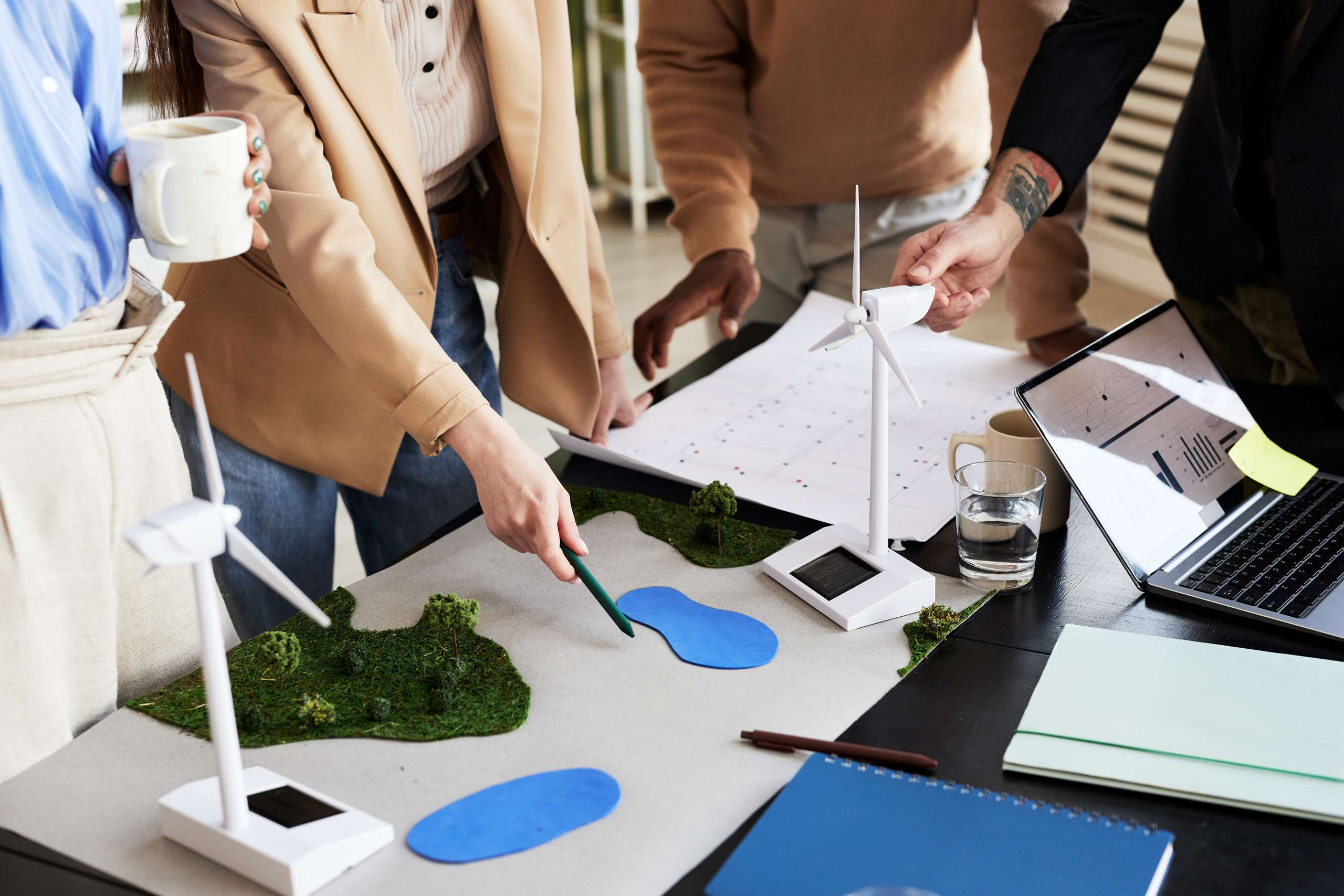
What Guides The Work
Environmental design improves when observation becomes more precise. A room starts to change once proportion, circulation, emptiness, texture, and light are treated as connected decisions rather than separate details.
That is why the process stays grounded in practice, critique, and revision. The aim is not quick decoration, but a steadier way of shaping interiors with clarity, stronger judgment, and a more consistent visual language.